
Dr. Fox and Dr. Czarnicki Podiatrist in Oswego, Coal City, Channahon, IL.
We at Fox Foot and Ankle helped find fast relief from painful Warts.
The Painful Step That Stopped Recess
Nine-year-old Ethan loved recess.
Every day he ran across the playground with his friends, played kickball, and raced around the blacktop trying to beat his personal best.
But one week, something changed.
Every time Ethan stepped down, he felt a sharp pain under the ball of his foot.
At first he thought a rock was stuck in his shoe. He shook out his sneaker and kept running. But the pain didn’t go away.
Soon even walking started to hurt.
When Ethan’s parents looked at his foot, they noticed a rough bump on the bottom of his foot, right under the ball of the foot. Concerned, they scheduled an appointment at Fox River Foot and Ankle Centers to see Dr. Fox and Dr. Czarnicki, experienced podiatrists who treat children and adults with foot pain.
Within minutes of examining Ethan’s foot, the doctors had the answer.
Ethan had a plantar wart.
Fortunately, with proper treatment, Ethan was soon back to running across the playground again
What Are Plantar Warts?
Plantar warts are small growths on the bottom of the foot caused by the human papillomavirus (HPV).
When the virus enters the skin through tiny cuts or abrasions, it can cause thickened skin to form. When this occurs on the bottom of the foot, the wart is called a plantar wart.
Children and teenagers are particularly prone to plantar warts because their immune systems are still developing defenses against the virus.
These warts commonly appear on weight-bearing areas such as:
The ball of the foot
The heel
The base of the toes
Because these areas carry body weight with every step, plantar warts can become quite painful.
Watch for symptoms of warts
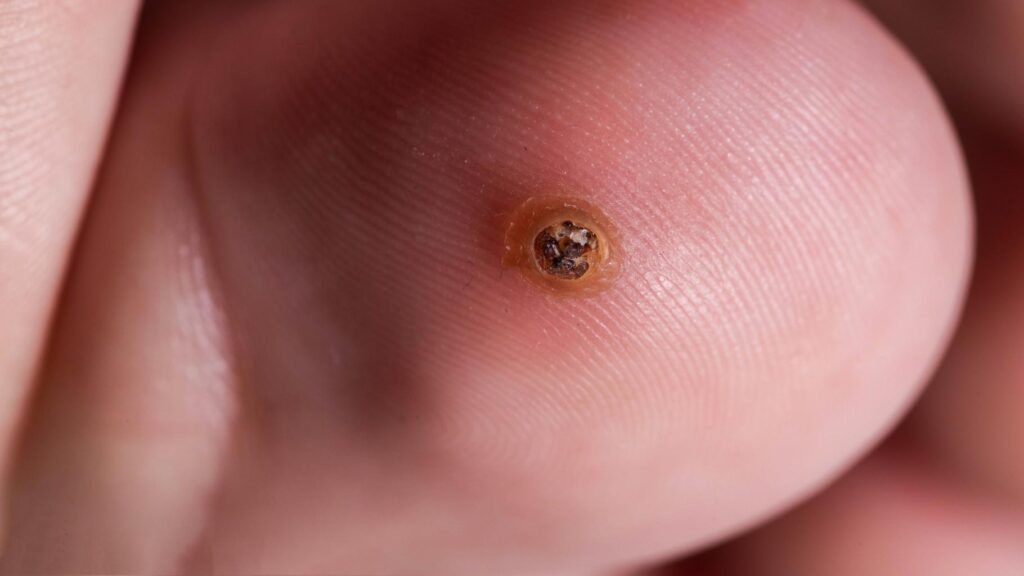
Plantar warts can sometimes resemble calluses, but they often have distinct features.
Common symptoms include:
A rough, hard growth on the bottom of the foot
A flat or slightly raised surface
Gray or brown skin discoloration
Small black dots (tiny blood vessels)
Pain when standing or walking
Sharp discomfort when pressure is applied
Because Ethan’s wart developed on the ball of his foot, every step placed pressure directly on the painful area.
Professional Treatment for Plantar Warts
At Fox River Foot and Ankle Centers, Dr. Fox and Dr. Czarnicki provide several effective treatment options for plantar warts, that work.
Advanced Prescription
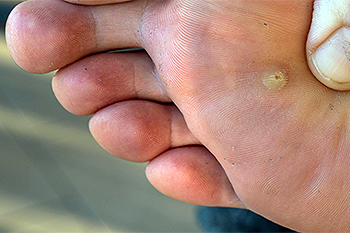
Many plantar warts can be treated with advanced prescription topical medications. These treatments work by gradually breaking down the wart tissue while helping the body fight the virus that causes the wart. Because the medication is stronger than over-the-counter products, it can be more effective and safer when applied under medical supervision.
Laser/Heat Therapy
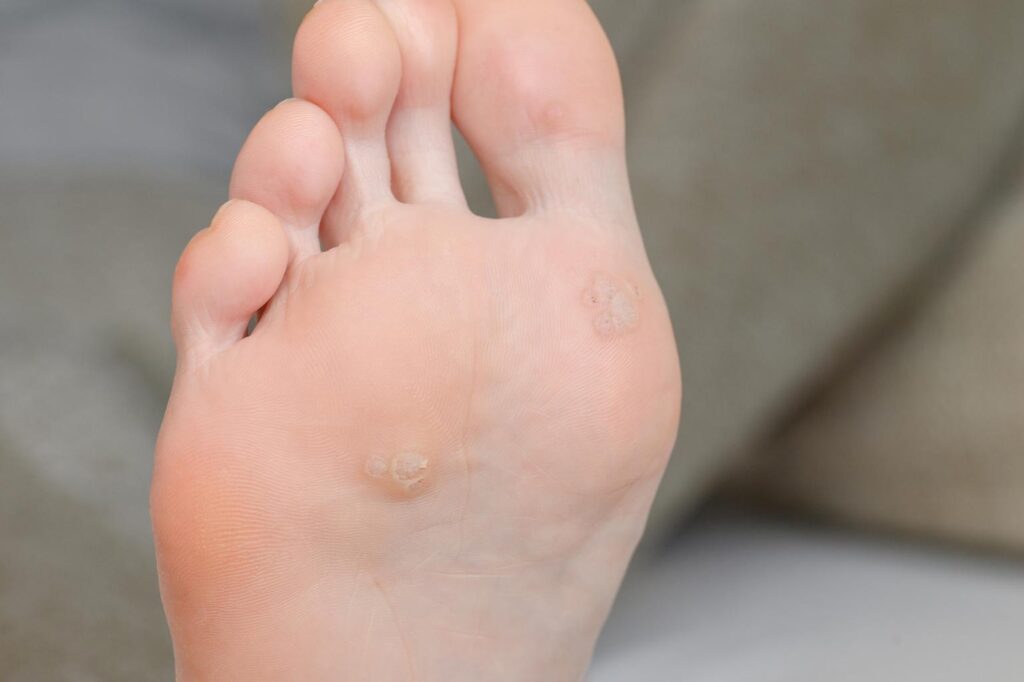
For stubborn or painful plantar warts, advanced laser treatment may be recommended. Laser therapy works by targeting and destroying the tiny blood vessels that supply the wart, which helps the wart gradually shrink and resolve. This treatment is precise and minimizes damage to the surrounding healthy skin..
Surgical Removal with local anesthesia
In some cases, a plantar wart may require minor surgical removal if it is painful, persistent, or not responding to other treatments. This procedure is performed using local anesthesia to numb the area so the patient remains comfortable during treatment.
Once the area is numb, the wart tissue can be carefully removed while preserving the surrounding healthy skin. Minor surgical removal allows the doctor to directly eliminate the wart and reduce the chance of continued pain or spreading.
Cryotherapy for Plantar Warts
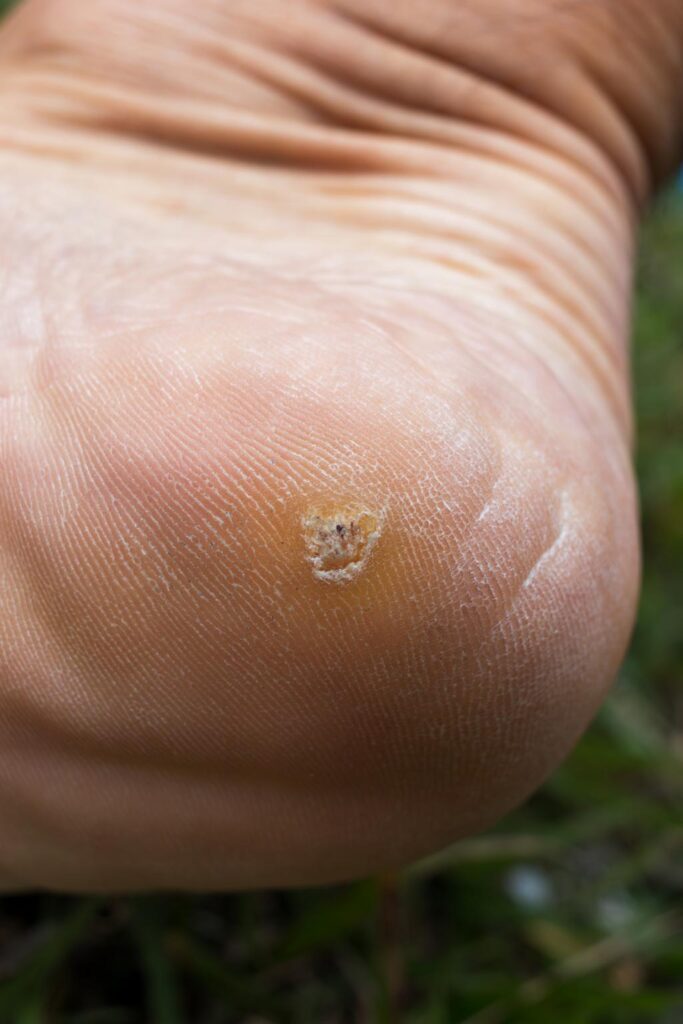
During this procedure, a special medical solution is applied to the wart, which freezes the infected skin and causes the wart tissue to gradually break down and fall away.
Freezing the wart also helps stimulate the body’s immune system to fight the virus that causes the wart. Multiple treatments may sometimes be needed depending on the size and depth of the wart.
WHEN TO SEE US
You should schedule a visit with a foot specialist like Dr. Fox or Dr. Czarnicki if you notice:
A painful bump on the bottom of the foot
A growth that continues to enlarge
Pain while walking or standing
Multiple warts appearing in the same area
Some rare but serious skin conditions can look similar to warts, which makes proper diagnosis essential.
You should schedule an evaluation if you experience:
• Drainage or signs of infection
• Severe redness or swelling around the nail
• Persistent pain when walking or wearing shoes
• No improvement after home treatment
• Recurring ingrown toenails
frequently asked questions FAQ about warts
FAQ 1
What does a plantar wart look like?
Plantar warts usually appear as rough, thickened areas of skin on the bottom of the foot. They may have small black dots in the center, which are tiny blood vessels. Unlike calluses, plantar warts often interrupt the normal skin lines of the foot and may cause discomfort when pressure is applied.
worsening symptoms or infection.
FAQ 2
Are plantar warts contagious?
Yes, plantar warts are contagious because they are caused by a virus. The virus can spread through direct contact with the wart or through contaminated surfaces such as locker rooms, public showers, and swimming pool areas. Walking barefoot in these environments can increase the risk of developing plantar warts.
FAQ 3
Can plantar warts go away on their own?
Some plantar warts may eventually disappear without treatment as the immune system fights the virus. However, this can take months or even years, and the wart may become painful or spread during that time. Professional treatment often helps remove the wart faster and more safely.
FAQ 4
How can I prevent plantar warts?
You can reduce the risk of plantar warts by avoiding walking barefoot in public areas, keeping your feet clean and dry, changing socks regularly, and not touching or scratching existing warts