




Q-

Dr. H. Craig Fox, DPM now offers laser treatment for the destruction of nail fungus.
Our new Q-
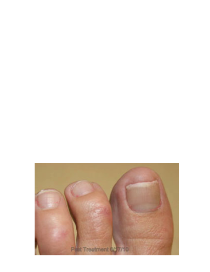
Nail fungus is a naturally occurring organism that breeds in warm, moist conditions such as shower floors where it is often contracted. Once infected, toenails become brittle, thick, and discolored. The condition affects at least 10% of the U.S. population. It is frequently an embarrassing condition that can impact quality of life for many patients and may present serious health concerns for diabetics and those with compromised immune systems.
The Treatment Process
Our innovative laser treatment for nail fungus is based on many years of experience
with over 1,000 patients treated. The process includes a 10-
To prepare for the procedure, all nail polish and decorations must be removed. Following treatment, you may immediately return to your normal activities. At home care will be recommended to prevent recurrence.
Lasers: Features and Benefits
Convenient -
Effective – typically one treatment kills fungal pathogens embedded in and under
your nail Safe – painless procedure which requires no downtime from your day-
Simple – one treatment and a follow-
FAQs on the Laser Procedure:
Who performs the procedure? Dr. Fox will personally perform your laser treatment,
provide recommendations for post-
I have one infected toenail why should I treat it? Toenail fungus is contagious which could lead to all ten toenails becoming infected. In addition, anyone who shares a shower or has direct contact with you is also likely to become infected. As the infection spreads to neighboring toenails it is increasingly difficult to treat the problem. Eventually that single infected toenail could turn into ten thickened discolored (green/yellow) toenails.
How does the laser work? This patented laser is specially designed to shine through
your toenail and destroy the specific pathogens embedded in and under your nail causing
the infection. The foot laser operates in the very tight spectrum of near infra red
light. At the time of the procedure, the toenail will not become instantly clear
-
Is this laser painful? No anesthesia and no injections are required. There is NO discomfort associated with the gentle laser light beam during or after your treatment for most patients.
The laser does not harm healthy tissue or affect your activity in any way.
Does it really work? Clinical studies started in 2008 which have revealed results
greater then oral antifungal therapy. Data currently being reviewed by the FDA shows
a majority of patients treated grew out a normal looking nail after one treatment.
After the one treatment, the nail plate should grow out normally in 8-
Is this treatment safe? Yes! In a clinical study with greater than 300 patients there have been NO adverse reactions, injuries, disabilities or known side effects associated with laser treatment. Unlike oral medications on the market today for fungal toenails, there are NO risks to the liver or kidneys. There are no age or health restrictions or limitations.
Can the Q-
Is there a recovery period? No -
How long does the treatment take? Optimal results will be evident about 8-
Can I apply polish to the nails immediately after treatment? Yes, you can apply
polish to the nails immediately after the treatment. It's important to thoroughly
remove all nail polish and nail decorations the day before the treatment. If you
choose to apply polish after treatment, anti-
Does my insurance pay for this? Because this treatment is considered aesthetic, health insurance plans do not cover this treatment. We accept major credit cards, cash, money orders, and certified checks.
What does the procedure cost? Standard fee for treatment is $600 and is not billable to insurance. 50% is due at scheduling, with remaining 50% due prior to treatment. Your 50% deposit is fully refundable, as long as you cancel 24 hours prior to your scheduled appointment.
Is there any additional treatment required on my part? No, but fungal infections
can re-
Do I have to make a special appointment for this service? Yes, but we do have regularly scheduled treatment days available for this procedure.
FAQs on Nail Fungus:
What is a fungal nail infection? A fungal nail infection occurs when a fungus attacks a fingernail, a toenail, or the skin under the nail, called the nail bed. Fungi (plural of fungus) can attack your nails through small cuts in the skin around your nail or through the opening between your nail and nail bed. If you are healthy, a fungal nail infection probably won't cause serious problems. But it may look bad, hurt, or damage your nail or nail bed. A fungal nail infection could lead to more serious problems if you have diabetes or a weak immune system. Talk to your doctor about the best way to treat a nail infection if you have one of these problems.
What causes a fungal nail infection? Yeasts, molds, and different kinds of fungi can cause fungal nail infections. Most are caused by the same type of fungus that causes athlete's foot. Fungi grow best in warm, moist places, and they can spread from person to person. You can get a fungal nail infection from walking barefoot in public showers or pools or by sharing personal items, such as towels and nail clippers. If you have athlete's foot, the fungus can spread from your skin to your nails.
You are more likely to get a nail infection if you:
• Are older than 60.
• Have diabetes or a weak immune system.
• Have a nail injury like a hangnail or an ingrown toenail.
• Wear shoes that make your feet moist or sweaty.
• Live or work in a hot, humid place.
What are the symptoms? A nail with a fungal infection may:
• Turn yellow or white.
• Get thicker.
• Crumble and split, and it may separate from the skin.
• When you have a fungal nail infection, it can be uncomfortable or even painful to wear shoes, walk, or stand for a long time. The fungus could also spread to other nails or your skin. Over time, the infection can cause permanent damage to your nail or nail bed.
How is a fungal nail infection diagnosed? Your doctor will diagnose a fungal nail infection by looking at the nail, asking about your symptoms and past health, and possibly doing tests to look for fungi. Finding out what is causing the infection can help you get the best treatment.
How is it treated? Whether to treat a fungal nail infection is up to you. If it is not treated, it won't go away, and it might get worse. But fungal infections can be hard to treat. Dr. Fox will work with you to determine the best treatment option, given your own unique circumstances.
If you decide to treat a fungal nail infection, there are several protocols available, including lotions, creams or polishes as well as the laser treatment option. You can buy some types without a prescription, or your doctor can prescribe a stronger one. You may need to use this medicine for a few weeks or for as long as a year.
Antifungal pills may give the best chance of curing a severe fungal nail infection.
You will need to see your doctor for regular testing if you take these pills. You
should not take them if you have liver or heart problems. There is a growing body
of research and clinical evaluations by physicians that demonstrate a high efficacy
of treating toenail fungus by lasers. Several devices are already used off-

Fox Foot & Ankle © 2015
• Q-
for fungal nails
 TOPICS

Click here to...
View a video of an actual Q-


Does the Laser really work?
Proof is in the picture.
Click here to see a selection of before and after pictures.